
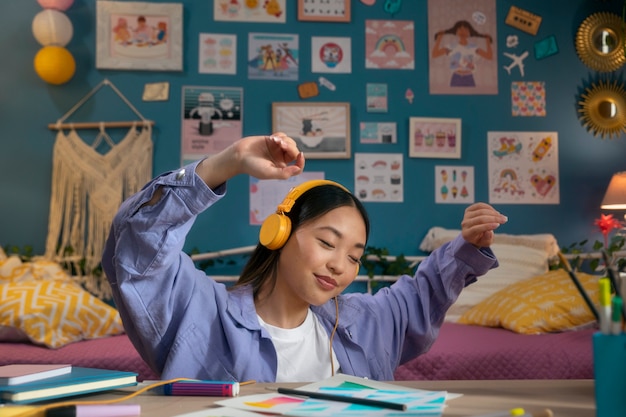
In an era defined by rapid technological advances and evolving societal needs, education must transform to meet the unique demands of every learner. The paradigm of one-size-fits-all teaching is gradually being replaced by approaches that recognize the intrinsic diversity of student abilities, interests, and learning styles. Embracing individual differences is not just a pedagogical preference—it is a strategic imperative for preparing future generations for success. The movement toward individualized instruction is both inspiring and necessary, paving the way for Personalized learning solutions that cater to the multifaceted nature of human potential.
The Rise of Individualized Learning
Historically, education systems have adhered to standardized curricula, often neglecting the nuanced differences among students. However, modern research and innovative practices reveal that personalization in education is far more effective. The conventional classroom is transforming into a dynamic environment where every learner’s journey is acknowledged and celebrated. Short, impactful lessons ignite curiosity, while in-depth explorations nurture critical thinking. This duality is at the heart of
that empower educators to sculpt learning experiences that resonate on a deeply personal level.
When teachers adapt their methodologies to the specific needs of their students, learning becomes a vibrant, engaging process. The shift from rigid structures to fluid, adaptable systems is catalyzing a revolution in education. By incorporating real-time feedback and adaptive assessments, educators can refine their instruction continuously, ensuring that no student is left behind. This evolution heralds a new age of educational innovation—one that places the learner at the center of the academic universe.
Embracing Personalized Learning Solutions
Technology is a key driver of this transformation. Digital platforms now offer a myriad of resources that facilitate Personalized learning solutions. These platforms analyze individual performance and provide targeted content that addresses specific learning gaps. The integration of artificial intelligence, machine learning algorithms, and data analytics empowers educators to design curricula that adjust to the pace and proficiency of each student. The result is a learning experience that is both flexible and deeply customized.
Digital tools can transform a static curriculum into a dynamic, interactive journey. Whether it’s through interactive simulations, gamified lessons, or multimedia content, the digital revolution has redefined how knowledge is acquired. This personalized approach not only increases engagement but also instills a sense of ownership in students over their educational paths. They become active participants in their learning process, motivated by the ability to see tangible progress and personal growth.
Revolutionizing the Classroom with Custom Education Approaches
Traditional lecture-based teaching is giving way to more innovative practices that emphasize collaboration, creativity, and critical thinking. Custom education approaches leverage project-based learning, inquiry-driven exploration, and interdisciplinary studies to create an environment where every student’s unique abilities are highlighted. Educators are now more than ever embracing methods that transform the classroom into a collaborative studio of ideas and experimentation.
Imagine a classroom where lessons are tailored to individual interests—where a student with a passion for astronomy can explore the cosmos through interactive software while another fascinated by literature crafts narratives that merge historical context with creative expression. This kind of Tailored learning for students acknowledges that every learner is unique, and their educational journey should reflect that individuality. It fosters an atmosphere where differences are not merely accepted but celebrated, and every student has the opportunity to excel.
The Benefits of Tailored Learning for Students
The advantages of personalized education are manifold. First, it cultivates intrinsic motivation. When learning is tailored to a student’s interests and abilities, it becomes an engaging and enjoyable pursuit rather than a mandatory chore. This intrinsic motivation drives deeper engagement and promotes lifelong curiosity. Moreover, personalized learning minimizes the risk of academic stagnation by challenging students at the appropriate level of difficulty. It allows learners to progress at their own pace, which reduces frustration and builds confidence.
Furthermore, individualized instruction contributes to improved retention and comprehension. When students are actively involved in crafting their learning experiences, they are more likely to internalize the material. Adaptive learning technologies provide immediate feedback, helping learners correct misconceptions and reinforcing their understanding. This feedback loop is critical for continuous improvement, ensuring that each student receives the support they need to succeed.
Challenges and the Path Forward
Despite its transformative potential, personalized education faces certain challenges. Implementing individualized learning requires substantial investment in technology, teacher training, and curriculum development. The transition from conventional methods to adaptive systems can be resource-intensive and may encounter resistance from stakeholders accustomed to traditional models.
However, these challenges are surmountable with collaborative effort and forward-thinking policies. Educational institutions must prioritize professional development to equip educators with the skills and tools necessary for personalized instruction. Additionally, policymakers and administrators should advocate for investments in infrastructure and technology that facilitate Future of adaptive education. By fostering a culture of innovation and flexibility, communities can ensure that personalized learning becomes the cornerstone of modern education.
The Future of Adaptive Education
Looking ahead, the Future of adaptive education is bright and full of promise. As technology continues to evolve, the possibilities for personalization in education will expand, further bridging the gap between teaching and learning. Advanced analytics, immersive virtual environments, and real-time data tracking will redefine how educators understand and respond to individual needs. This will result in an educational landscape where every student is given the opportunity to excel, regardless of their starting point.
The integration of Tailored learning for students is not a fleeting trend—it is a paradigm shift that will shape the future of education for decades to come. Schools and universities that embrace these innovative strategies will cultivate environments where creativity, critical thinking, and adaptability thrive. This forward-thinking approach is essential for preparing students to navigate the complexities of an increasingly interconnected world.
Personalized education represents a monumental shift in how learning is conceptualized and delivered. The move toward Personalized learning solutions and Custom education approaches is more than an evolution—it is a revolution. By focusing on Tailored learning for students, educators can unlock the full potential of every learner, cultivating an environment where innovation and creativity flourish.
The transformative power of personalized education lies in its ability to adapt to the unique needs of each student. As we navigate the challenges of the modern world, the Future of adaptive education offers a beacon of hope—a vision of a learning ecosystem that is dynamic, inclusive, and profoundly impactful. Embracing personalized education is not merely a pedagogical adjustment; it is a commitment to nurturing the leaders, innovators, and visionaries of tomorrow. With every step taken toward individualized learning, society moves closer to an educational paradigm where every student has the opportunity to succeed and thrive.



More Stories
10 Creative Ways to Supercharge Your Learning with Unconventional Resources
Unlock Your Potential: Top Hidden Gems of Learning Resources You’ve Never Tried
Reimagining Learning: How Creative Education is Shaping the Future